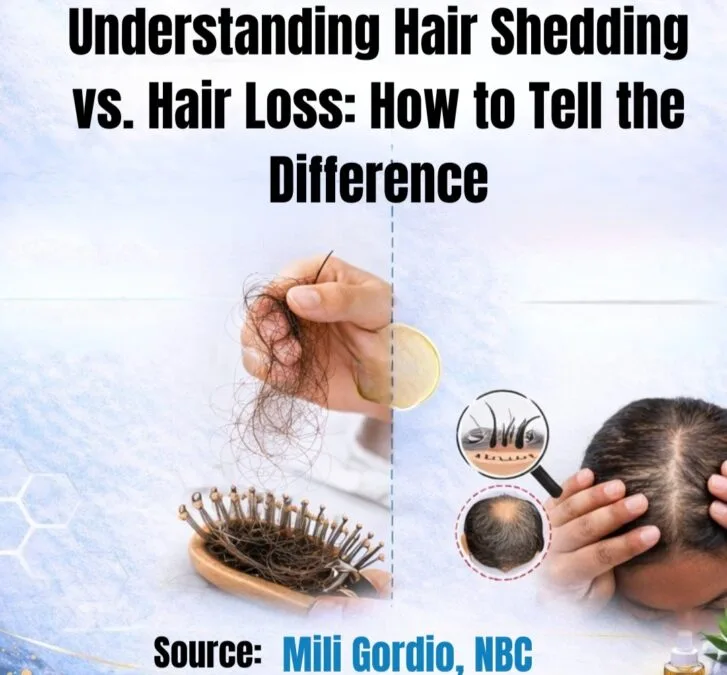
Noticing clumps of hair in your shower drain or hairbrush can be a distressing experience. While seeing extra strands might feel like an emergency, it is important to distinguish between hair shedding and actual hair loss. According to dermatologists, hair shedding is often a sudden, temporary reaction to a specific life event, whereas hair loss is typically a gradual process driven by genetics or internal health changes. Knowing the difference is the first step in finding the right solution.
Defining the Difference
The primary distinction between the two conditions lies in the health of the follicle. Hair shedding, medically known as telogen effluvium, occurs when a stressor prematurely pushes hair into the falling-out phase. In these cases, the follicle remains healthy and capable of growing new hair once the body recovers. Hair loss, on the other hand, happens when the follicle itself shrinks or stops producing hair entirely. While shedding often feels rapid and widespread, hair loss typically follows a specific pattern, such as a receding hairline or a widening part, and progresses slowly over months or years.
What Triggers These Changes?
The causes for these two conditions vary significantly. Hair shedding is almost always tied to a physical or emotional stressor, such as major surgery, high fever, extreme psychological stress, or rapid weight loss. Because of the timing of the natural growth cycle, you might not notice the shedding until two to six months after the stressful event occurred. Conversely, hair loss is frequently triggered by hormonal shifts. For instance, dihydrotestosterone (DHT) can shrink follicles in those genetically predisposed to it, while women may experience thinning due to fluctuating estrogen levels during menopause or after pregnancy.
Navigating Treatment Options
Treating these conditions requires a targeted approach. Because shedding is often temporary, it may resolve on its own once the underlying stress is managed and the body’s nutritional needs, specifically iron and protein, are met. However, persistent hair loss usually requires medical intervention to slow its progression. Common treatments include Minoxidil (Rogaine) to stimulate blood flow, or prescription medications like Finasteride and Spironolactone to regulate the hormones that cause thinning.
Professional Procedures and Tools
For those seeking more intensive results, dermatologists often recommend clinical treatments. Platelet-rich plasma (PRP) therapy uses growth factors from your own blood to rejuvenate healing in the scalp, while low-level red light therapy can be used as a supplementary tool to boost hair density over time. Regardless of the cause, early intervention is key. If you notice persistent bald spots or a visible change in your scalp exposure, consulting a specialist can help you determine the best path toward restoration.
This blog post is for educational and informational purposes only. All third-party sources are credited and used in line with fair use.
Source: Mili Gordio, NBC