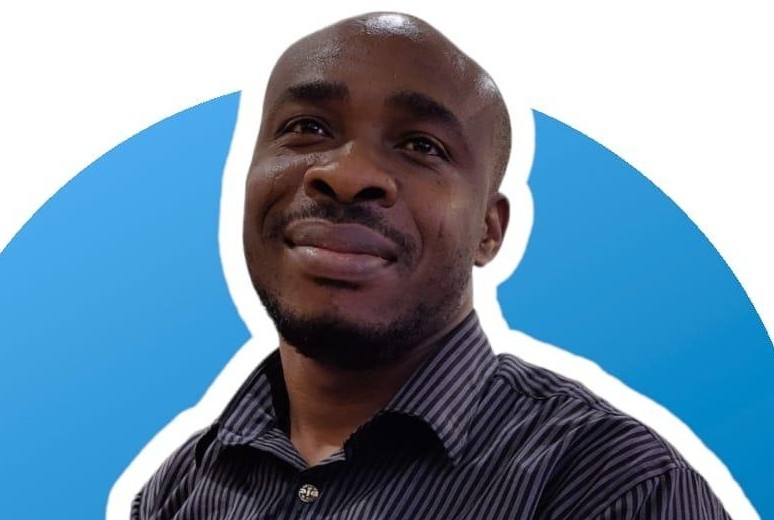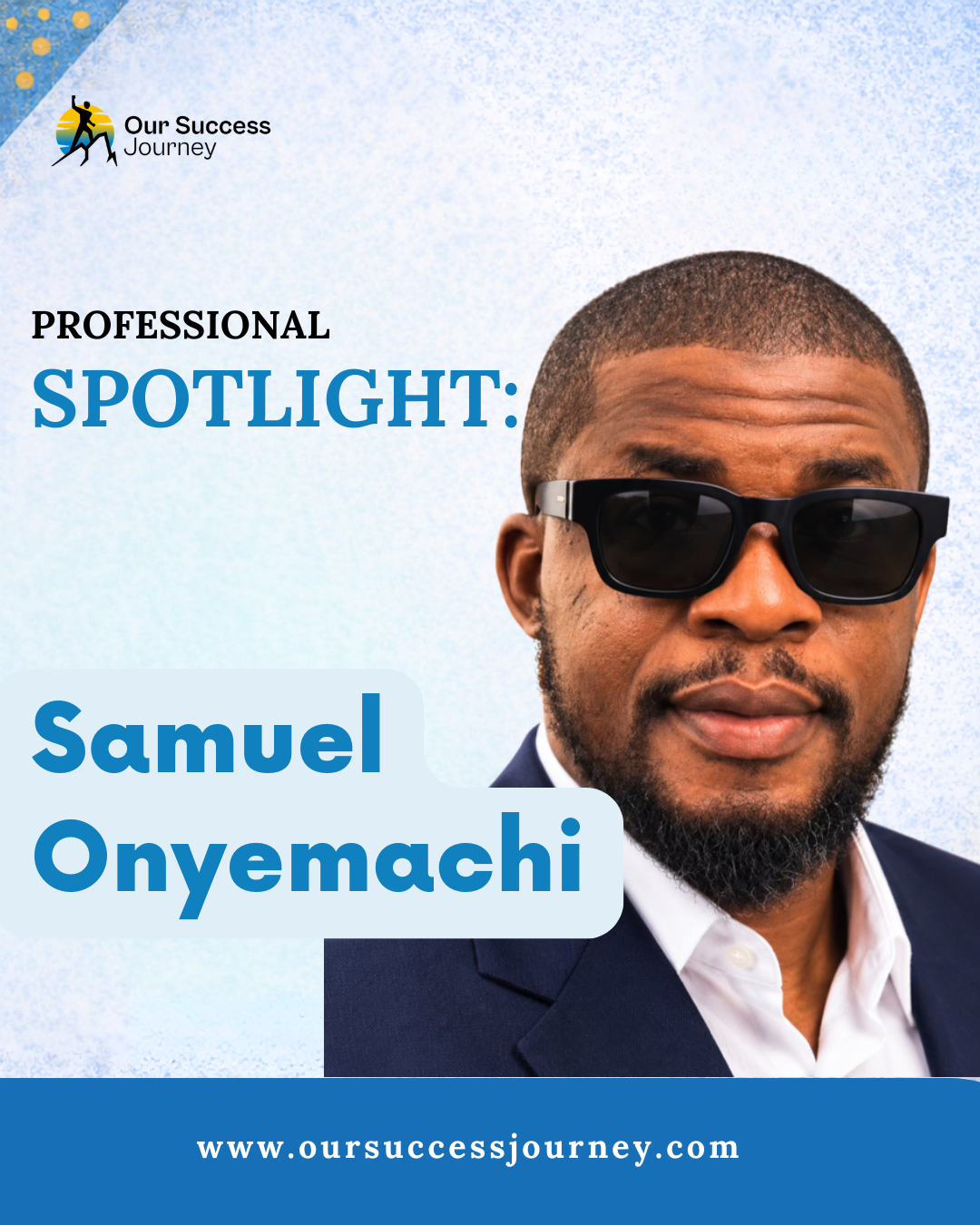
Every great business story starts with a simple, stubborn problem. For Samuel Onyemachi, that problem has always been the same one: getting good food from the people who sell it to the people who need it, reliably and at a fair price. He has spent more than ten years working on it, across borders and across Lagos neighborhoods, and the work has now led him to the founder’s seat at EzzyRun.
Samuel is based in Kosofe, Lagos State, and describes himself as a commerce infrastructure builder. The label fits. His career has not been built around flashy launches. It has been built around the unglamorous machinery that makes commerce work: sourcing, quality control, packaging, logistics, and the trust that holds all of it together. He says he is driven by disciplined execution and systems thinking, and his record backs that up.
His foundation was laid in June 2014, when he took on the role of Operations and Procurement Lead at Motherland Food, a cross border grocery export business. His job was to run the Nigeria side of an operation serving African diaspora customers in Canada and the USA. Think about what that means. Somewhere in North America, a customer wants the familiar foods of home. Somewhere in Nigeria, someone has to find those foods, negotiate with multiple vendors, check the quality, pack everything to export standards, and coordinate airport logistics and international shipping so the order arrives as promised. Samuel was that someone, and he is still in the role today, more than twelve years later.
That long stretch taught him lessons that no classroom could. He learned how pricing moves, how vendor relationships are won and kept, and how to hold a complex cross border workflow together without letting it fall apart. Reliability, he came to understand, is not a bonus feature in the grocery business. It is the whole product.
While that export work continued, Samuel started asking what a similar approach could do closer to home. In January 2019, he founded Everyday Food, a community based grocery service that ran on WhatsApp commerce and served urban neighborhoods in Nigeria. It was a one man show in the best sense. He handled customer conversations and order management himself, sourced directly from vendors, controlled quality, packed the orders, and delivered them the last mile. There was no fancy platform, only a phone, a network of suppliers, and a promise to be dependable.
The business ran until May 2021, and what it proved mattered more than any single order. People in urban Nigerian communities wanted groceries they could trust, delivered conveniently, at prices that made sense. That demand was real, and Samuel had seen it up close, one chat message at a time.
During the same period, he stepped into a very different world. In 2021, he served for six months as Business Development Manager at African Girls In Tech. The role pulled him away from groceries and into partnerships, programs, and community building. He worked to forge relationships with technology companies, educational institutions, and NGOs, and he helped design and run initiatives meant to empower girls pursuing careers in technology. He led the development of a mentorship program that connected girls with industry professionals, and he coordinated workshops and training sessions on coding, programming, and other tech skills. He also managed relationships with sponsors and donors, helped build a network of supporters who secured funding for programs, and supported awareness efforts through marketing campaigns and media outreach. It was a short chapter, but it widened his view of the technology ecosystem he would soon step further into.
In July 2022, Samuel cofounded Fooddy Technology Limited, a digital grocery and food commerce startup, and took the title of Chief Operating Officer. Here the lessons from WhatsApp orders and export shipments met the demands of building a company. Fooddy focused on structured ordering, vendor coordination, and last mile delivery. Samuel built and managed marketplace vendor relationships, designed fulfillment workflows and delivery systems, and drove customer acquisition and retention. He also had to navigate the hard parts of growing a young business: scaling operations while making careful use of limited resources.
He stayed for two years and four months, until October 2024, and the experience left him with a sharper understanding of product market fit, how marketplaces behave, and what capital efficiency really demands in emerging markets. Those are the kinds of lessons founders rarely forget, because they are usually learned the hard way.
In August 2024, Samuel took everything he had learned and put it into a new venture. He cofounded EzzyRun, where he serves as CEO, working from Lagos Mainland. The idea was to consolidate a decade of experience into a scalable, technology enabled platform that makes grocery access more convenient and affordable for individuals across Africa.
The company’s first product is Ezzy Express, a business to consumer offering aimed at everyday shoppers. Its focus areas read like a summary of Samuel’s career. It builds marketplace and fulfillment infrastructure for individual consumers. It aggregates vendors and uses hub based logistics. It pursues cost efficiency and scalable distribution. And it takes on the stubborn challenge of last mile delivery, the same challenge Samuel first tackled by hand in those early WhatsApp days. Seen together, the pieces of his journey form a clear line. The export business taught him procurement discipline and operational reliability at scale. Everyday Food showed him that trust and convenience matter deeply to ordinary households. His time at African Girls In Tech sharpened his skills in partnerships and community building. Fooddy gave him a front row seat to the realities of building and scaling a startup. EzzyRun is where those threads come together.
His top skills, cross border transactions, vendor managed inventory, and procurement, tell the same story. These are the skills of someone who thinks about how goods move, who holds them, and how to keep the whole chain dependable from the first vendor to the final doorstep.
What makes Samuel’s story compelling is how consistent it is. He has not chased trends. He has kept returning to one question: how can people get the food they need, simply and affordably? He has answered it in different forms over the years, from airport shipments to chat message orders to a growing technology platform.
There is still plenty of road ahead. EzzyRun is young, and building infrastructure for everyday consumption is demanding work. But Samuel brings more than a decade of hands on experience to it, and a way of working built on careful systems and steady execution. For anyone watching how African commerce is being rebuilt from the ground up, his is a name worth knowing.
This blog post is for educational and informational purposes only. All third-party sources are credited and used in line with fair use.